Introduction
If you're over 40 and feeling more tired than you used to, you're not alone. Many adults in this age group notice a gradual decline in energy, mental sharpness, and physical recovery—and one reason might be falling levels of a crucial molecule called NAD+. NAD+ (nicotinamide adenine dinucleotide) is essential for energy production, DNA repair, and cellular function. The good news is that understanding how to increase NAD+ levels naturally is entirely within your control. This article walks you through science-backed dietary and lifestyle strategies that can help restore NAD+ to healthier levels, improve your energy, and support better long-term health. You don't need expensive treatments or prescription medications—many of the most effective approaches involve the foods you eat and the daily habits you build.
What Is NAD+ and Why Does it Matter as You Age?
NAD+ is a coenzyme found in every cell of your body. It plays a starring role in converting nutrients from food into usable energy through a process called cellular respiration. Think of NAD+ as a molecular workhorse—it shuttles electrons around your cells, powering the mitochondria (your cells' energy factories) and supporting hundreds of chemical reactions that keep you alive and functioning.
Beyond energy production, NAD+ is critical for DNA repair, gene expression, and activating sirtuins—a family of proteins linked to longevity and aging. A 2019 review in Cell Metabolism highlighted that adequate NAD+ levels are associated with better metabolic health, improved cardiovascular function, and reduced inflammation. Unfortunately, NAD+ levels naturally decline with age. By the time you reach 50, you may have only half the NAD+ your body had at 20. This decline is linked to aging-related issues like fatigue, reduced muscle function, cognitive decline, and increased disease risk. This is why many adults become interested in ways to increase NAD+ levels naturally without relying solely on supplements or medical interventions. The cellular energy deficit that comes from low NAD+ can feel like a dimmer switch slowly turning down, making everyday tasks feel harder and recovery taking longer.
Multiple factors contribute to NAD+ depletion over time, including sedentary behavior, poor diet, chronic stress, inadequate sleep, and exposure to environmental toxins. The enzyme CD38, which breaks down NAD+, becomes more active with age and inflammation. Additionally, your body's ability to synthesize NAD+ from dietary precursors (like niacin and tryptophan) may decline. The good news is that emerging research shows you can slow or partially reverse this decline through intentional lifestyle and dietary choices.
Signs That Your NAD+ Levels May Be Low
While there's no simple at-home test for NAD+ levels (specialized lab tests exist but aren't routine), certain symptoms and patterns suggest your NAD+ may be suboptimal. The most common sign is persistent fatigue that doesn't improve with a good night's sleep. Many people describe it as a low-grade exhaustion that makes morning workouts feel overwhelming or afternoon concentration difficult. You might also notice slower physical recovery—workouts that used to feel manageable now leave you sore for days, or minor injuries take longer to heal.
Cognitive symptoms are equally telling. Brain fog, difficulty focusing, and slower mental processing speed are frequently reported by people with low NAD+. Some describe a feeling of mental heaviness or reduced motivation, sometimes mistaken for depression. Age-related muscle loss (sarcopenia) can accelerate when NAD+ is insufficient, making you feel weaker or noticing that you're losing muscle tone despite normal activity. Additionally, you might experience more frequent infections or illness, since NAD+-dependent immune cells require adequate supplies to function optimally.
Metabolic changes also hint at low NAD+. Weight gain that's hard to explain by diet or activity changes, difficulty losing weight even with calorie restriction, or worsening blood sugar control can all be related to reduced cellular energy availability. Sleep quality may suffer too—not insomnia necessarily, but unrefreshing sleep or frequent waking. Some people notice increased aches, joint stiffness, or muscle cramps. Mood changes like irritability or reduced enjoyment of activities you normally love can occur because NAD+ impacts neurotransmitter synthesis and mitochondrial function in the brain. If several of these symptoms resonate with you, how to increase NAD+ levels naturally through diet and lifestyle becomes not just a wellness trend but a potential path to feeling better.
How Low NAD+ Affects Your Daily Quality of Life
The impact of declining NAD+ extends beyond abstract cellular biology—it touches how you live every day. Persistent fatigue means you might decline social invitations, skip exercise, or struggle through work projects that once felt easy. This can create a vicious cycle: inactivity and poor sleep worsen NAD+ depletion, which further reduces energy. Many people over 40 report feeling like they've "lost a gear" compared to their younger selves, and low NAD+ is often a biological contributor to that experience.
Cognitively, difficulty concentrating affects work performance and quality of life. Reduced motivation can impact relationships, hobbies, and self-care. Physically, slower recovery from exercise can make people avoid activity altogether, accelerating muscle loss and metabolic decline. This creates another problematic feedback loop—exercise is one of the best ways to boost NAD+, but fatigue makes exercise feel impossible. Weight gain and metabolic dysfunction add frustration, especially when standard diet and exercise advice doesn't seem to work. The emotional toll of not feeling like yourself—often described as "aging faster than you expected"—can be significant. Understanding that how to increase NAD+ levels naturally is actionable and within your control can be empowering and can help motivate the changes discussed in the sections below.
Natural Approaches and Lifestyle Changes to Boost NAD+
Exercise is perhaps the most powerful natural NAD+ booster available to you. Physical activity directly stimulates NAD+ synthesis and activates sirtuins—the longevity-linked proteins mentioned earlier. A 2020 study in The Journal of Physiology found that both aerobic exercise and resistance training increased NAD+ availability in muscles. The key is consistency and intensity. High-intensity interval training (HIIT) appears especially effective, but even moderate-intensity aerobic activity like brisk walking, cycling, or swimming works. Aim for at least 150 minutes of moderate activity per week, plus resistance training 2–3 times weekly. Your body responds to the energy demand of exercise by upregulating NAD+ production, and this benefit compounds over weeks and months.
Sleep quality directly influences NAD+ levels. During sleep, your body ramps up NAD+-dependent repair processes, particularly in mitochondria and DNA. Chronic sleep deprivation actively suppresses NAD+ synthesis. Prioritize 7–9 hours of consistent sleep, keep your bedroom cool and dark, and avoid screens an hour before bed. Research in Nature Communications (2018) showed that circadian rhythm alignment—maintaining consistent sleep and wake times—optimizes NAD+ cycling. If you struggle with sleep, addressing this single factor often yields noticeable energy improvements within weeks.
Stress management is another cornerstone. Chronic stress increases CD38 activation, the enzyme that degrades NAD+. Practices like meditation, deep breathing, yoga, and time in nature have been shown to lower stress hormones and indirectly preserve NAD+. Even 10–15 minutes of daily meditation can help. Finally, minimize alcohol and avoid smoking or excessive sun exposure—all of which trigger NAD+ consumption and stress the cells' repair systems. Cold exposure (cold water immersion or cryotherapy) has emerged in recent research as a potential NAD+ booster, though more studies are needed. For most people, the basics—exercise, sleep, stress reduction—provide the strongest return on effort.
Foods and Nutrients That Support NAD+ Production
Your body synthesizes NAD+ from precursor molecules found in food. The primary pathways involve tryptophan (an amino acid), and niacin (vitamin B3). Understanding which foods fuel NAD+ production is central to how to increase NAD+ levels naturally through diet.
Niacin-rich foods are the most direct source. Niacin (also called vitamin B3) can be converted directly to NAD+. Good sources include chicken, turkey, tuna, salmon, mushrooms (especially cremini and shiitake), peanuts, pumpkin seeds, and sunflower seeds. Whole grains, lentils, and legumes contain niacin, though the form in plants is less bioavailable than in animal sources. Aim to include a niacin-rich protein source at each meal. A single 3-ounce serving of chicken breast provides about 8–10 mg of niacin, a meaningful amount.
Tryptophan-containing foods support NAD+ via the kynurenine pathway. Tryptophan is an amino acid found in turkey, chicken, eggs, cheese, nuts, seeds (especially pumpkin seeds), and legumes. Your body converts tryptophan to NAD+ through several steps, though this pathway is less efficient than direct niacin intake. Consuming adequate protein overall supports this pathway.
Foods containing NAD+ precursors like nicotinamide riboside (NR) are becoming more recognized. Cow's milk and whey products contain small amounts of NR. This is why some researchers recommend dairy, though research is still emerging. Certain fermented foods and some plant sources may also contain NR in trace amounts.
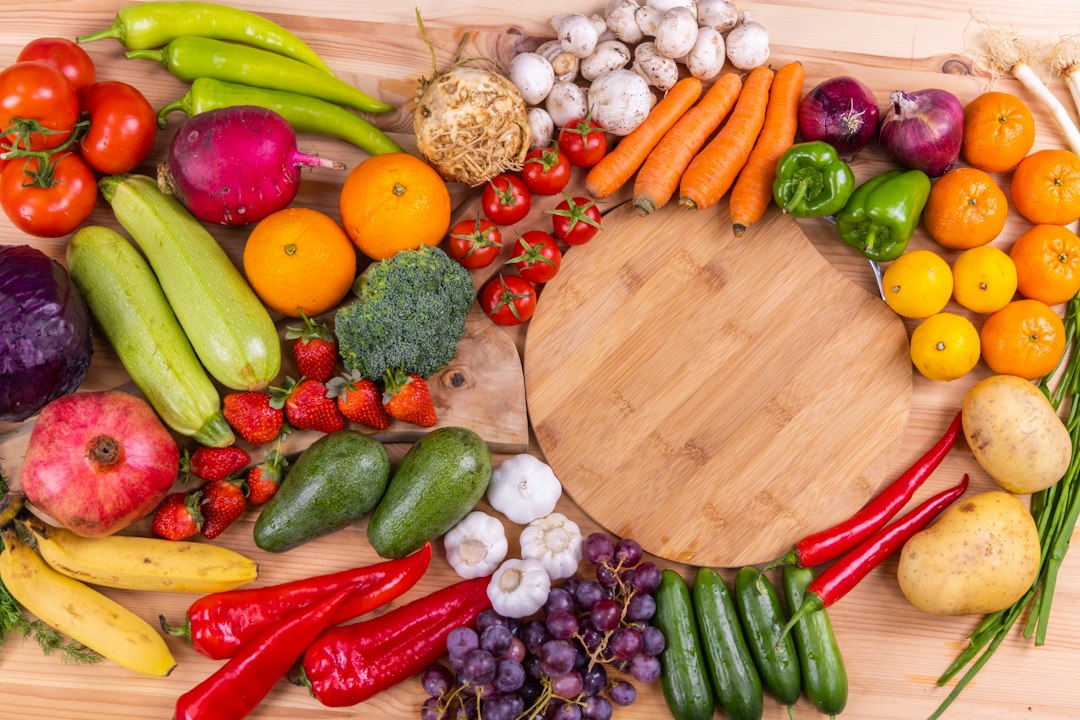
Beyond precursors, antioxidant-rich foods help protect existing NAD+ from degradation. Berries (blueberries, raspberries), dark leafy greens (spinach, kale), cruciferous vegetables (broccoli, Brussels sprouts), and foods high in polyphenols (green tea, red wine in moderation, dark chocolate) reduce oxidative stress and inflammation that trigger NAD+ consumption. This is why many experts recommend a Mediterranean-style diet—it emphasizes whole foods, healthy fats, lean proteins, and abundant vegetables, all of which support NAD+ availability. Supplements like kinzeno are specifically formulated to address the B-vitamin deficiencies most linked to low NAD+ and cellular energy decline, but whole foods remain the foundation. Prioritize nutrient density: pasture-raised eggs, wild-caught fish, grass-fed beef, organic vegetables, nuts, seeds, and legumes deliver NAD+ precursors plus supportive antioxidants and minerals.
Frequently Asked Questions
What is the fastest way to increase NAD+ levels?
While there's no overnight fix, the fastest natural results typically come from combining high-intensity exercise with improved sleep and stress management. Exercise stimulates NAD+ synthesis within hours and accumulates over days. Many people report noticeable energy improvements within 2–4 weeks of consistent exercise, better sleep, and dietary improvements. Dietary changes take a bit longer as your body adjusts, but including niacin-rich foods at every meal is foundational.
Can I increase NAD+ levels at 50 or older?
Absolutely. While NAD+ does decline with age, your body retains the capacity to synthesize and conserve it. Studies show that adults over 60 who exercise regularly and maintain good sleep and nutrition have significantly higher NAD+ levels than sedentary peers. It's never too late to start, though consistency matters more than intensity at any age.
How long does it take to notice benefits from increased NAD+ levels?
Energy and mental clarity often improve within 2–6 weeks of consistent lifestyle changes. Physical recovery and muscle quality take longer—typically 8–12 weeks before significant changes appear. Sleep quality often improves fastest, sometimes within days of better sleep hygiene and stress reduction. Results vary based on starting point and adherence.
Feeling stuck with low energy despite your best efforts? Understanding how to increase NAD+ levels naturally is a game-changer, but sometimes dietary and lifestyle adjustments need targeted nutritional support. kinzeno combines the key B vitamins and nutrients discussed in this article into one formula designed to support NAD+ availability and cellular energy. Explore whether it fits your situation by visiting the full review.